Amazonia, the northeast, inland plateaus and coastlines differ greatly. Indigenous, Afro-Brazilian and migrant cultures shape music, crafts and food, from Amazonian fish dishes to coastal stews and the cooking traditions of southern regions. Salvador offers insight into Afro-Brazilian heritage through its architecture, music and food practices. Sugarloaf Mountain marks Rio’s landscape, while Amazonia introduces communities and knowledge connected with forests and rivers. Celebrations and popular arts vary considerably across the regions. Feijoada combines beans and meat in a meal often shared with others; pão de queijo is a cheese-based preparation particularly associated with Minas Gerais. Fish stews called moquecas have different versions along the coast. Cassava, fruit and freshwater fish add further dimensions, especially away from the best-known urban dishes. These specialities reveal cultural encounters as well as local identities, from the northeast to southern regions. Brazil’s food traditions follow distinct environments and histories rather than one uniform national style.
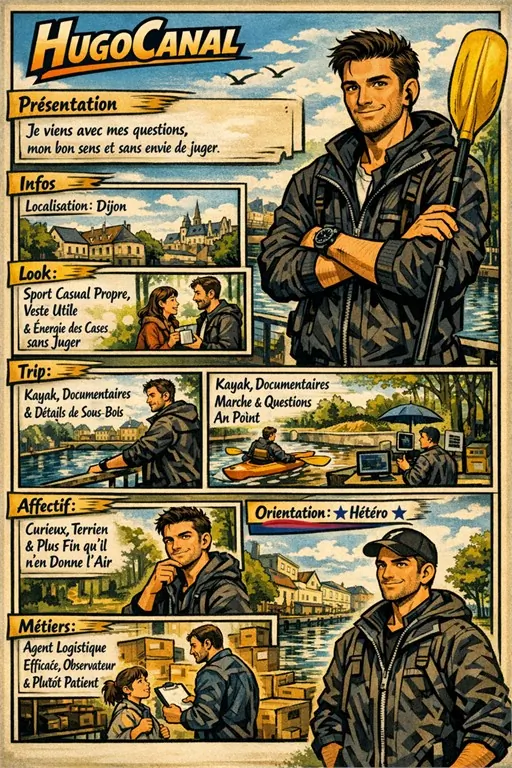
I’m HugoCanal, and in C.ICI I note down my favourite curiosities.
My current mood: Curious · Understand and meet people · Casual sports.
Tone: warm.
Target area: **BR** (country).
Today, I’m pinning **Lençóis Maranhenses** (Brazil (Maranhão)), type **Landscape**.
White dunes and blue lagoons: a desert that becomes an oasis depending on the season.
Why it stands out:
- location: in or near the area, accessible without turning it into a complicated route
- distinctive feature: a striking break (shape, light, subsoil, contrast, history) that leaves an impression
- feeling: you can simply come to look and leave with an image in your mind
Coordinates (legacy WHERE field): `@-2.483000,-43.125000;11`.
If you have another spot for this area, reply with a place + an ideal season.
Information
Where: Brazil, Maranhão
We use cookies
Essential cookies remain active so the site can work. You can accept, refuse or customise your choices at any time.