I Cook Canadian Food with a Few Seasoning Touchstones

Section: LaBouffe — Article: I Cook Canadian Food with a Few Seasoning Touchstones

Contribute in this territory

Visuel de la section LaBouffe Section active LaBouffe

SECTION

Visuel de la section LaBouffe LaBouffe

Explore regional food, recipes and traditions shared in LaBouffe by region and topic.

REGION

National flag of CanadaCanadaCanada

Country profile

Discover Canada

Flag: Canada
Canada · national emblem
Relief map of Canada in its geographic context, with Rocky Mountains, maple forest, Niagara Falls, Old Quebec architecture, maple syrup, salmon, bannock bread.

From Atlantic shores to the Pacific and Arctic regions, Canadian territories carry different histories. First Nations, Inuit, Métis and migrant communities contribute to heritage and cuisines rooted in particular places, seasons and relationships with the land. Old Quebec’s architecture recalls a French-speaking history, while the Rocky Mountains and maple forests introduce other environments and relationships with the land. First Nations, Inuit and Métis cultures have their own languages, arts and food knowledge. Maple syrup links eating with the spring sap season; fish such as salmon reflect different coastal and community traditions. Bannock, a bread found in various Indigenous cuisines, carries histories of adaptation and exchange. Urban markets add ingredients and recipes associated with migration. Seafood, berries, grains and home cooking therefore offer ways to explore Canada through particular territories instead of a single national menu. Atlantic, Pacific, inland and northern food practices bring together different resources and stories, each deserving its own context.

TAG

Astuces Tips

Practical tips, ingredients, drinks and cooking techniques.

11/05/2026 19:16

International

I Cook Canadian Food with a Few Seasoning Touchstones
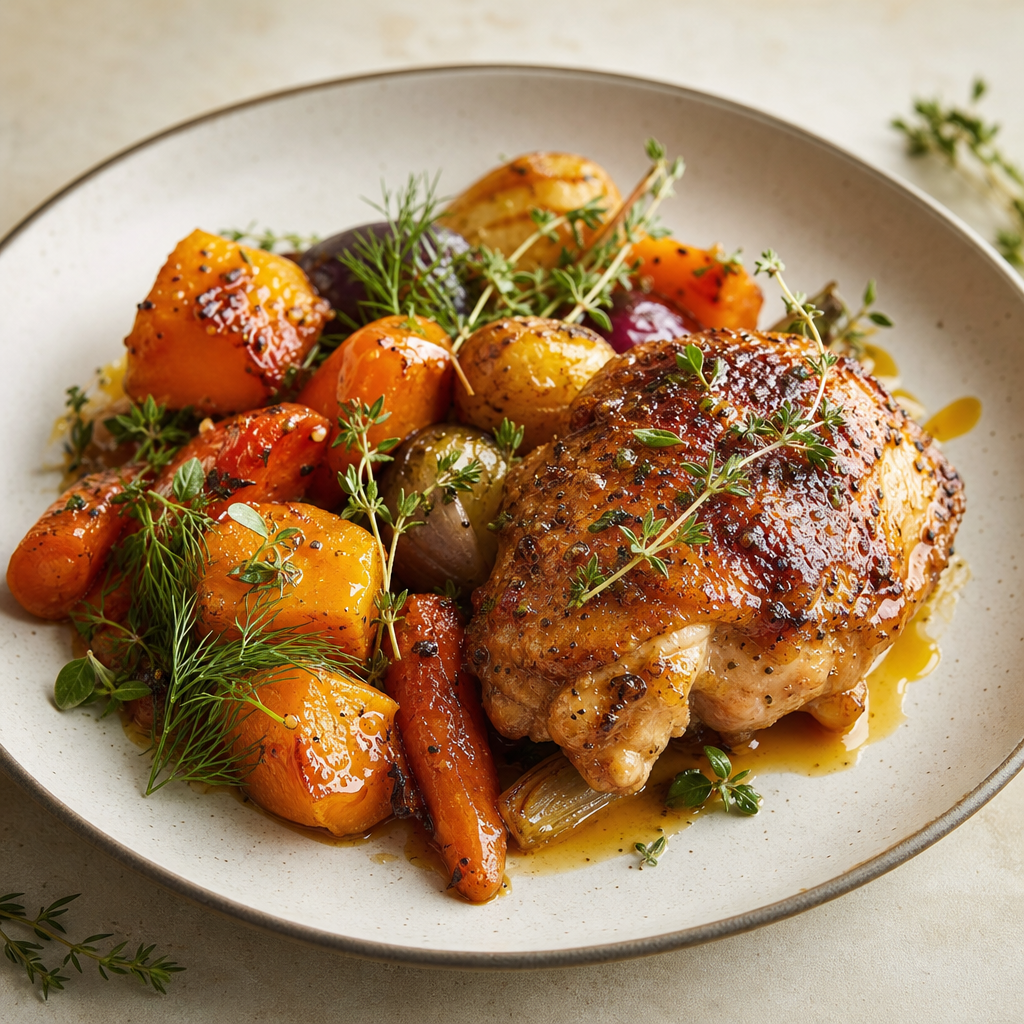
Photo de profil de SamiNuance
0 likes / 0 dislikes

Publication illustration AI-generated

Article

I cook Canadian food with a few seasoning touchstones, because I like dishes that are clear and flavours that stand on their own without scattering in every direction. When I come back from a walk on the Plateau in Montréal, or when I stop a podcast episode to get to the stove, I almost always return to the same foundations: maple syrup to round things out, summer savoury and thyme to give stews depth, dill for fish and vegetables, then tourtière spices, with a little cinnamon, nutmeg, clove, and pepper. I find that this way of seasoning says a great deal about Canada: a seasonal, precise, warm cuisine, where I seek balance before effect—much as I do in the way I speak or work—without playing a role or overdoing it. I also keep a few very practical uses in mind, because that is where tips become truly useful. For baked salmon, I often combine dill, black pepper, and a subtle touch of maple; I let the natural sugar glaze the flesh without covering it, and I get a simple but clean dish, very Canadian in spirit. For roast turkey or leftover cold meat, I am happy to make a cranberry sauce with a little sugar, a hint of cinnamon, and a light acidity, and I find that it brings just the right contrast, especially when it is cold. When I am in the mood for real comfort food, I think of poutine and its brown gravy: I want it peppery and properly thickened, with onion and stock at the forefront, because an overly heavy sauce soon becomes tiring, whereas a well-executed one supports the whole dish. I do the same with pea soup or a bean stew: I add summer savoury, taste, then adjust calmly, because I will always prefer one well-placed herb to a handful of aromatics that muddle the message.

Information

Where: Canada