My Japanese Tips for Elevating the Table Without Weighing It Down

Section: LaBouffe — Article: My Japanese Tips for Elevating the Table Without Weighing It Down

Contribute in this territory

Visuel de la section LaBouffe Section active LaBouffe

SECTION

Visuel de la section LaBouffe LaBouffe

Explore regional food, recipes and traditions shared in LaBouffe by region and topic.

REGION

National flag of JPJPJapan

Country profile

Discover Japan

Flag: Japan
Japan · national emblem
Relief map of Japan east of Asia, with Mount Fuji, a torii, pagoda, cherry blossoms, sushi, ramen and green tea.

Japan is an Asian archipelago lying east of the mainland, between surrounding seas and the Pacific Ocean. Hokkaido, Honshu, Shikoku and Kyushu are its four large islands, alongside many smaller islands extending towards Okinawa and beyond. Mountains, forests, coastlines and major cities create contrasting landscapes. Mount Fuji provides an immediately recognisable landmark, while shrines, pagodas, gardens and seasonal blossoms offer other ways into local cultures. Craft traditions and festivals extend well beyond these familiar symbols and differ between regions and communities. Food reflects that variety through seasonal ingredients, rice, fish, vegetables and noodles. Sushi comes in many forms, while ramen offers regional broths and styles, from Hokkaido to Kyushu. Green tea, particularly associated with Shizuoka, connects farming landscapes with careful preparation and shared tasting rituals. Markets, neighbourhood restaurants and local makers provide further opportunities to understand how these traditions remain part of everyday life. The illustration combines a small selection of cultural and culinary landmarks; places and contributions shared on Kestufela invite readers to continue exploring a particular island or area.

TAG

Astuces Tips

Practical tips, ingredients, drinks and cooking techniques.

11/05/2026 19:18

International

My Japanese Tips for Elevating the Table Without Weighing It Down
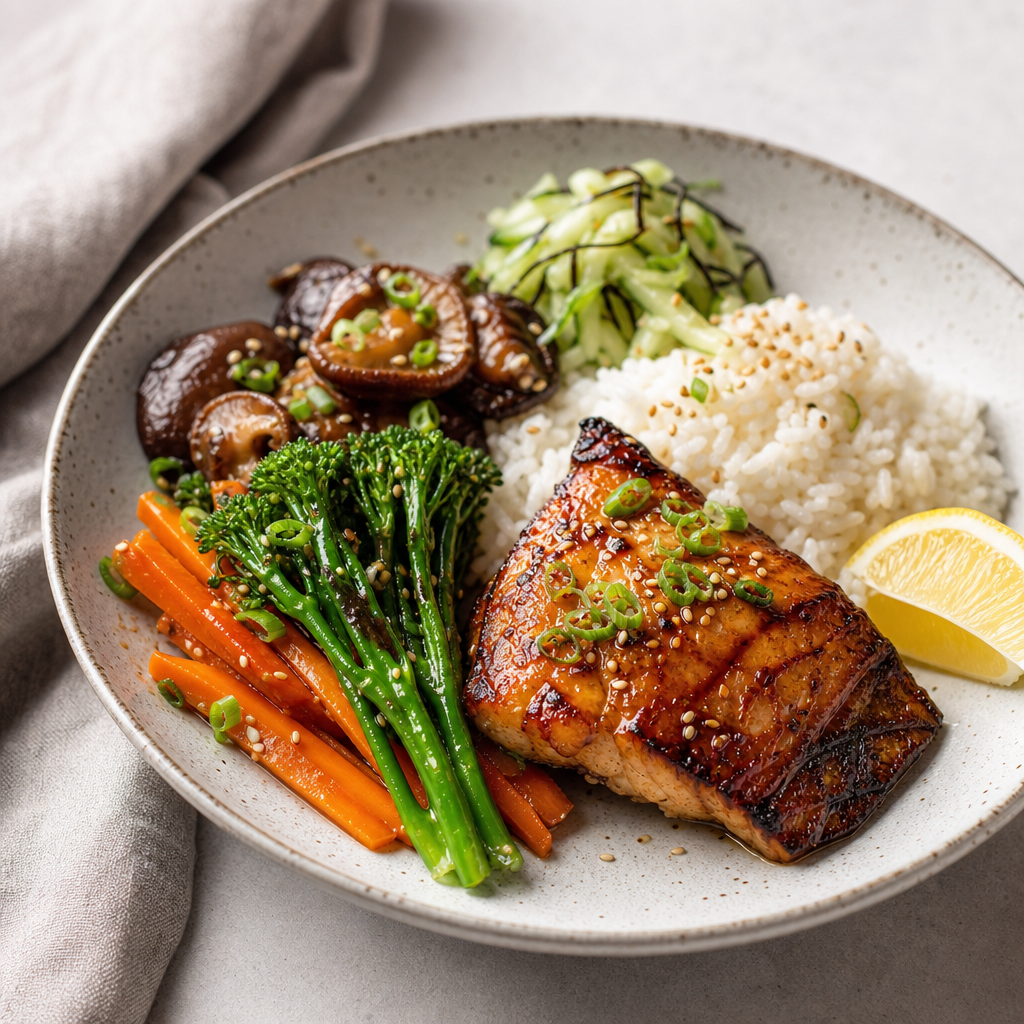
Photo de profil de AlyaSoleil
0 likes / 0 dislikes

Publication illustration AI-generated

Article

I still believe in encounters that do you good, and in my kitchen, that often comes through simple gestures that add dimension without making things heavy. In LaBouffe, I like to talk about tips that fit into real life: when I get home late, when I want colour on the plate and a dish that feels light, I turn to distinctly Japanese staples such as shoyu, miso, dashi, mirin and rice vinegar. In Tokyo, with that slightly vibrant energy I associate with the streets of Shibuya, I understood that good seasoning does not need to overdo it to feel right. I draw on this understated yet delicious approach in my everyday meals: a spoonful of miso in a soup or sauce, a few drops of ponzu to wake up grilled fish, a drizzle of shoyu over steamed vegetables—and suddenly the flavour becomes cleaner, rounder, more inviting. What I also love are the herbs and spices that truly define Japanese cooking. Shiso brings an almost anise-like freshness that I happily add to a cucumber salad or over a bowl of still-warm rice; sansho, with its lemony, lightly spicy character, is wonderful on pan-fried tofu or grilled aubergines; and grated ginger gives momentum to a marinade for chicken or mushrooms. I often use furikake to finish plain white rice when I want a simple but cheerful meal, or a little aonori and nori to bring a sea-scented note to soba noodles. Even sesame, toasted or in paste form, changes everything: it gives substance to a dipping sauce for raw vegetables and softens a rice-vinegar dressing. My two favourite, very practical examples are a bowl of rice with salmon, shiso and a dash of shoyu for a quick yet elegant dinner, and miso soup enriched with negi, tofu and a little yuzu for an evening when I need warmth without heaviness. I cook the way I approach sharing: with tenderness, precision and the desire for every bite to tell something true.

Information

Where: JP